Personal Finance Budgeting is a practical skill that helps individuals take control of their money and make smarter financial decisions. By planning how income is earned, spent and saved, budgeting creates a clear structure for managing daily expenses while supporting long-term financial goals including savings, debt reduction and financial stability.
In personal finance budgeting has long been used as a foundational tool for building wealth and reducing financial stress. From simple expense lists to modern budgeting apps the core purpose remains the same: tracking income and expenses, understanding spending behavior, improving cash flow and creating a balanced financial life over time.
Without a proper budget many people struggle with overspending, lack of savings and unexpected financial emergencies. Learning how budgeting works, its benefits and real-life examples can transform Financial habits. A well-planned budget improves money management, builds financial discipline and supports long-term financial security.
Quick Info
| Budgeting Element | Purpose | Why It Matters |
| Income Tracking | Records all sources of earnings | Helps calculate available money accurately |
| Expense Tracking | Monitors fixed and variable spending | Identifies overspending and spending patterns |
| Financial Goals | Defines short-, medium-, and long-term targets | Keeps budgeting focused and intentional |
| Budgeting Methods | Structures how money is allocated | Ensures consistency and better control |
| Savings Allocation | Sets aside money for future needs | Builds emergency funds and financial security |
| Debt Management | Plans repayments for outstanding debts | Reduces interest costs and financial pressure |
| Monthly Review | Evaluates budget performance | Allows adjustments for better results |
Understanding the Budgeting Process
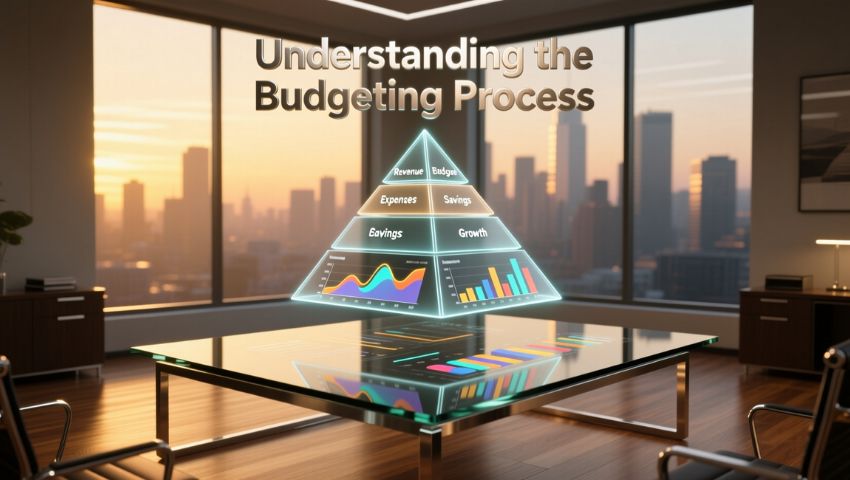
At its simplest, budgeting is a money management plan that helps you decide ahead of time how you want to use your income so you can meet your needs, pursue your desires and work toward your goals without stress.
In technical terms the budgeting process involves:
- Income tracking: Recording all the money that comes in
- Expense tracking: Documenting all your regular spending
- Allocating your money based on your priorities
- Adjusting as needed to stay on track
Unlike myths that paint budgets as restrictive, a budget gives freedom from uncertainty, impulse purchases and financial stress.
Defining Personal Finance Budget & Personal Budgeting in Everyday Life
A personal budget is simply a spending plan: a clear written or digital record that shows how much you earn versus how much you spend and save each month. It answers three key questions:
- How much money do I have?
- Where is it going?
- How can I make it work better for my goals?
Meanwhile personal budgeting is the ongoing practice of creating monitoring and refining that plan.
Anecdote: When Maria graduated from college and started her first job she received her paycheck and spent it all within two weeks. She felt frustrated and confused “Where did it go?” That’s when she made her first personal budget. By listing her income and household expenses she discovered she was overspending on eating out and entertainment. Adjusting these habits allowed her to save for her dream holiday within months all without cutting fun entirely.
The Top Benefits of Budgeting in Personal Finance
Budgeting does far more than tell you where your money goes. It creates clarity, confidence and control.
Here are the major benefits:
1. Improves Financial Health
By tracking your income and expenses you gain clarity on your financial situation and eliminate guesswork. This awareness is the first step toward smarter decisions and fewer surprises.
When you know your numbers you make better choices.
2. Helps You Set and Achieve Financial Goals
Whether it’s saving for a car, a house or retirement, a budget acts as your roadmap. The plan shows you how far you are from your goal and what steps to take next.
Short‑term goals: e.g. save for a holiday
Medium‑term goals: e.g. buy a better vehicle
Long‑term goals: e.g. retirement savings or investment accounts
3. Builds Savings and Emergency Funds
A major reality of life is the unexpected medical bills, car repairs, job loss. Savings and emergency funds protect you from relying on costly credit.
Experts recommend maintaining an emergency fund equal to 3–6 months of living expenses.
4. Prevents Overspending and Impulsive Purchases
Without a plan it’s easy to overspend on discretionary items like dining out, shopping or entertainment subscriptions. A well‑structured budget keeps you accountable and intentional.
5. Enhances Debt Management and Debt Repayment
A strong debt management plan means allocating money specifically for paying down debt, especially high‑interest debt like credit cards. You can schedule payments and check progress monthly.
6. Encourages Financial Discipline and Confidence
Budgeting instills discipline: you see the consequences of decisions in real time and get rewarded when you hit milestones. That builds muscle for smarter financial habits.
Income Tracking and Expense Tracking

Before creating a budget you must understand where money comes from and where it is going.
Income Tracking
Income tracking means listing all sources of money you receive regularly salary bonuses gig work investment income etc.
Example:
| Source | Amount (Monthly) |
| Salary | $2500 |
| Freelance | $400 |
| Interest | $50 |
| Total Income | $2950 |
This gives you the true amount you can use for your budget.
Expense Tracking
Once you know what you earn the next step is recording every expense:
- Fixed expenses: those that stay the same: rent mortgage insurance loan payments
- Variable expenses: those that fluctuate: groceries fuel entertainment
Tracking for 30–90 days reveals patterns you may not expect.
Tip: Use a budget planner spreadsheet or a budgeting app to make this easier.
4 Powerful Budgeting Methods to Fit Your Style
Different people thrive with different strategies. Here are proven methods you can adopt:
The 50/30/20 Rule
This simple rule divides your income allocation as:
- 50% needs (rent utilities groceries)
- 30% wants (dining out streaming hobbies)
- 20% savings and debt repayment
This method balances daily living costs with future goals.
Zero‑based Budgeting
With zero‑based budgeting every dollar gets a job, no leftovers, no wastage. You assign funds to expenses, savings and debt until your income minus expenses equals zero.
This method works well for those who want tight control and full visibility.
Pay‑Yourself‑First Method
Before you pay bills or buy anything you first allocate money toward savings or debt. This makes saving a priority not an afterthought.
Envelope Method (or Envelope System)
This physical or digital system sets aside portions of your income into envelopes for various categories (e.g. groceries, dining fuel).
Once an envelope runs out you stop spending in that category. It’s a great way to curb overspending.
Step by Step Guide: How to Create Your Personal Finance Budget
Here is a roadmap you can follow right now to build a budget that works:
Gather Your Financial Information
Collect:
- Bank statements
- Income documents
- Debt details
- Bills and recurring charges
This gives you the full picture.
Set Clear Financial Goals
Define your goals using keyword‑rich clarity:
What is your short‑term goal? (Emergency fund holiday gadget)
What are your medium‑term goals? (Car upgrade course fee)
What are your long‑term goals? (Retirement savings home purchase)
Write them down and assign target dates.
Calculate and Track Your Income
Refer back to your income list that is your starting point.
List Your Fixed and Variable Expenses
Record every monthly cost. Don’t forget irregular or annual expenses like vehicle maintenance or gifts.
Use a budget planner spreadsheet or budgeting app to segregate these easily.
Compare Your Total Income to Total Expenses
Are expenses higher than income? That’s a red flag. You must adjust.
Allocate for Savings and Emergency Fund
Using your goals decide how much to allocate to:
- Emergency fund
- Investment accounts
- Retirement savings
- Additional savings plans
Choose Your Budgeting Method
Pick between Zero‑based budgeting 50/30/20 rule etc. based on your financial habits and discipline.
Implement and Monitor
Now comes the real work that follows your plan. At month’s end review:
- Did your actual spending match your planned budget?
- What can you improve?
- Did you stay within limits?
Adjust for the next month.
Common Budgeting Mistakes and How to Avoid Them
Even the best plans can fail if not executed properly. Here’s what to watch out for:
Overspending Without Tracking
Small purchases add up quickly.
Solution: Track every expense even that coffee or snack.
Ignoring Irregular Expenses
Things like annual subscriptions or car repairs are easy to forget.
Solution: Create a separate category for irregular costs.
Being Too Restrictive
Budgets that feel like punishments often fail.
Solution: Allow some flexibility and fun (controlled wants).
Skipping Monthly Reviews
A budget that isn’t reviewed becomes outdated.
Solution: Check your progress monthly and adapt.
How Budgeting Builds Financial Discipline and Stability
Budgeting is not a one‑time activity, it’s a lifestyle choice. When done consistently:
You become more aware of spending behavior
You prioritize needs over impulsive wants
You build momentum toward your goals
You reduce financial stress and anxiety
Financial discipline is one of the greatest assets you can develop. It affects every area of life from relationships to career choices.
Budgeting Tips to Make This Easier and More Effective
Here are tactical tips to keep you on track:
Use Budgeting Apps
Modern budgeting apps sync with your accounts and categorize expenses automatically saving time and giving real‑time clarity.
Automate Savings
Set up automatic transfers into savings and investment accounts so you never miss a contribution.
Schedule Regular Family Budget Meetings
If you manage household finances with others, make a monthly meeting to compare progress and align goals.
Set Financial Milestones
Reward yourself when you hit goals. Small rewards keep motivation high.
Be Realistic
Set achievable spending limits. Reducing restaurant outings from $1000 to $100 per month overnight is unrealistic instead aim for $800 then $600 and so on.
Real‑Life Examples: How Budgeting Changes Lives
Sam’s Story of Financial Clarity
Sam tracked his income and expenses for 90 days and realized he was spending a large portion of his income on recurring streaming services and frequent takeout meals. By switching to a Zero‑based budget and tightening discretionary areas he built an emergency fund in under six months.
Priya’s Path to Financial Stability
Priya wanted to save for a house but also had student loans. She followed the 50/30/20 rule and created a savings plan that balanced debt repayment with home down payment savings. With discipline and consistent budgeting her debt shrank while her savings grew.
Conclusion
Budgeting in personal finance is a powerful tool that provides clarity, control and confidence over your financial life. By tracking income and expenses, setting realistic financial goals and choosing the right budgeting method you create a clear roadmap for managing money effectively. Consistent budgeting helps reduce financial stress, prevent overspending and improve overall financial stability. Over time these habits lay the foundation for smarter financial decisions and long-term success.
When practiced regularly personal budgeting becomes more than a financial task it becomes a lifestyle habit that supports wealth building debt reduction and stronger savings growth. Whether you are planning for emergencies, major purchases or retirement a structured budget keeps you focused and disciplined. With the right approach budgeting in personal finance empowers you to take control of your money and achieve lasting financial security and peace of mind.

Hi, I’m Finn Clune , the admin and founder of Hub Finance Spot. I created this platform to make finance, business, and investment topics easier to understand for everyone. Over the years, I’ve gained experience in personal finance, business development, and market analysis. My goal is to share practical and reliable information that helps readers make informed financial decisions. At Hub Finance Spot, I focus on creating content that’s simple, clear, and based on real insights so you can trust what you read.